
UNLOCK YOUR HIDDEN POTENTIAL
Optimise Intrapartum Fetal Monitoring
Develop a deeper understanding of fetal physiological responses to intrapartum hypoxic and mechanical stresses and the pathophysiology of different types of fetal hypoxia and the impact of wider clinical picture such as maternal pyrexia, meconium staining of amniotic fluid and chorioamnionitis
Ensure safe operative vaginal births
Enhance your skills and competencies in rotational deliveries through hands on training
Ensure Effective Leadership, Risk Management & Clinical Governance
Ensure excellent patient outcomes by understanding the principles of effective healthcare leadership and principles of risk management to reduce the likelihood of litigation, patient complaints & staff burnout
CTG Masterclasses
Physiological CTG Masterclasses
These Masterclasses are based on deeper understanding of the physiology behind features observed on the CTG trace, as well as fetal compensatory responses to hypoxic and mechanical stresses during labour. There are aimed at moving away from classifications of the CTG traces which are based on pattern recognition (i.e. Normal, Suspicious or Pathological), and to classify CTG traces based on the type of intrapartum hypoxia, and the fetal compensatory response to ongoing hypoxic or mechanical stress.
The delegates will be able to differentiate a fetus who is compensating well from the fetus with the onset of decompensation, so that immediate measures could be taken to avoid hypoxic ischaemic encephalopathy (HIE) and perinatal deaths. The aim of the Physiology CTG Masterclasses is to improve perinatal outcomes, whilst at the same time, to reduce unnecessary intrapartum operative interventions.
The role of “Wider Clinical Picture” which include meconium staining of amniotic fluid (MSAF), intrapartum bleeding, maternal pyrexia, chorioamnionitis and other non-hypoxic causes are also emphasised.
The main aim of Physiological CTG Masterclasses is to individualise the care of each fetus, by asking the question “How is the fetus?” when the CTG traces reviewed instead of classifying the CTG trace into “Normal”, “Suspicious”, or “Pathological”. In addition, incorporating the wider clinical picture, and the non-hypoxic causes of fetal neurological damage whilst interpreting a CTG trace.
The Physiological CTG Masterclasses are very interactive, encouraging audience participation during review of cases.
The Course Organiser was the UK Representative to the 3- member Guideline Development Group which revised the International Consensus Guidelines of the International Federation of Gynaecology and Obstetrics (FIGO) in 2015, with 50 CTG experts from 37 countries. He was also on the Editorial Board of the National e-learning on Electronic Fetal Monitoring, and was on the Editorial Board of the first International Consensus Guidelines on Physiological Interpretation of CTG’s, published in 2018.
Fetal electrocardiograph (ECG) or ST- Analyser (STAN) Masterclasses
The Course Organiser has extensive experience with the use of fetal ECG (STAN Technology) in is clinical practice. He has used STAN for over 15 years, and has implemented the use of STAN Technology in 3 hospitals in the UK.
The Achilles heel of the STAN technology is CTG interpretation. Therefore, many hospitals which had implemented STAN without appropriate training of staff on physiological interpretation of the CTG trace, were not able to show a reduction in intrapartum emergency caesarean sections rate or the hypoxic ischaemic encephalopathy (HIE) rate. However, the Course organiser was part of the team which received two National Awards in the UK: The HSJ Value Award in 2016, and The BMJ Clinical Leadership Award in 2017 for ensuring a low HIE rate and a low intrapartum emergency caesarean section rate. This is possible after the introduction of an intensive training on fetal physiology with the use of the STAN technology, as well as competency testing for all staff who are involved with CTG interpretation.
STAN Masterclasses are aimed at promoting a deep knowledge of fetal physiology, the pathophysiology of fetal anaerobic metabolism as well as myocardial energy balance. Deep understanding of the underlying pathophysiology behind observed CTG changes while using the STAN technology is emphasised. The underlying mechanisms behind different types of STAN events, and the optimum management are illustrated during interactive case discussions.
Obstetric Emergencies
Failure to manage obstetric emergencies in a timely and appropriate manner may lead to poor maternal and perinatal outcomes. Confidential Enquiries into Maternal Deaths as well as Perinatal Deaths have highlighted that substandard care is responsible for approximately half of all the deaths. In addition, substandard care also contributes to significant maternal and perinatal morbidity, leading to patient complaints, litigation as well as low staff morale, stress and loss of trained workforce.
The courses on obstetric emergencies are aimed at promoting best practice through the pillars of evidence-based medicine, logic and understanding of the principles behind management.
Masterclasses on Massive Postpartum Haemorrhage
This one-day course addresses causes of Massive Postpartum Haemorrhage, the role of a systematic and logical approach using the Algorithm “HAEMOSTASIS”, the role of “Shock Index” and the “Tamponade Test”.
Medical and surgical management of both primary and secondary postpartum haemorrhage are covered with audience participation in the use of practical measures such as the insertion of the Tamponade balloon and the application of Uterine Compression Sutures.
The course also has an interactive clinical scenario with audience participation to embed the principles of management.
Masterclass on Placenta Acreta Spectrum (PAS) Disorders
This one-day Masterclass promotes a deep understanding of the aetiology, pathophysiology and maternal and fetal implications of Placenta Acreta Spectrum (PAS) disorders.
Conservative management (Intentional Retention of the Placenta or IRP), Conservative surgical Managements (The Triple P Procedure, modified Triple P Procedure and myometrial excision) and radical (i.e. peripartum hysterectomy) are covered during the course with illustrations.
The Course Organiser has an extensive experience in the management of PAS Disorders as he was the lead for the Multidisciplinary Regional Referral Service for Abnormal Invasion of the Placenta at St. George’s University Hospitals NHS Foundation Trust, London for over 8 years. He was the lead investigator of the team which developed the “Triple P Procedure” as a novel conservative alternative to a peripartum hysterectomy in 2012. He was part of the clinical guideline development group which developed the International Consensus Guidelines on Conservative Management of PAS by the International Federation of Gynaecology and Obstetrics (FIGO) in 2018.
Hands-On Masterclasses on Operative Vaginal Birth
These Masterclasses are aimed at promoting best practice as well as a logical and scientific approach to Operative Vaginal Births, to reduce maternal and fetal morbidity and mortality. The one-day Masterclass covers the anatomy of the female pelvis and the fetal skull, the normal mechanisms of labour, the causes of poor progress of labour, the principles behind operative vaginal births as well as the techniques and complications. Medicolegal issues also covered.
In small group courses which are run in institutions, comprising of approximately 20 delegates, a one-to-one hands-on training is offered on vacuum and forceps births, on special models. Larger courses (> 20) consist of a video demonstration of the techniques of both vacuum and forceps followed by group participation for hands-on training.
The Course Organiser had the privilege to run “Hands-on Vacuum Delivery” Causes with late Prof Aldo Vacca, who was the inventor of the Omni (or ‘Kiwi’) Cup.
Masterclass on the Optimising the Management of Second Stage
Second stage of labour reflects the period of maximum stress and danger to both the mother and the fetus. This one-day Masterclass highlights the normal physiological changes during passive and active second stage of labour, the role of oxytocin, recognising different types of intrapartum hypoxia on the CTG trace during second stage of labour, and taking appropriate action to improve outcomes, avoidance of erroneous monitoring of the maternal heart rate as fetal heart rate during labour, the safe conduct of operative vaginal births as well as second stage Caesarean sections.
The course also emphasises the importance of prevention, recognition and management of complications of operative vaginal births and Caesarean sections performed during second stage of labour.
Masterclass on Risk management, Clinical Governance and Leadership
This one-day Masterclass covers the principles of risk management and clinical governance as well as patient safety. The role of effective clinical leadership to reduce patient safety incidents and to uphold the principles of Clinical Governance is emphasised.
The Course Organiser has an extensive experience in Risk Management and Medicolegal issues, as he was the lead for Obstetric risk management, and has obtained the Diploma in Clinical Risk and Claims Management as well as the Cardiff Law School Expert Witness Certificate. He has appeared as an Expert Witness in both the Coroner’s Court as well as the High Court. He has been the lead for Clinical Governance for Obstetrics and Gynaecology from 2006 to 2017 at the St George’s University Hospitals NHS Foundation Trust, London. He was part of the group that produced the RCOG Good practice Series on the Maternity Dashboard, and has helped implement this tool in several hospitals. He was also part of the Intrapartum Scorecard Development Group at the National Patient Safety Agency (NPSA).
2- Day Masterclass on Training the Trainers on Fetal Monitoring
This is a bespoke, small-group, commissioned highly specialised training exclusively for delegates who have attended the respective Masterclasses, and intent to be trainers on Fetal monitoring in their respective organisations. This CTG Masterclass involves in-depth discussion of fetal pathophysiology, as well as enabling the delegates to present cases to improve their critical thinking as well as presentation techniques on fetal monitoring.
CTG MASTERCLASS
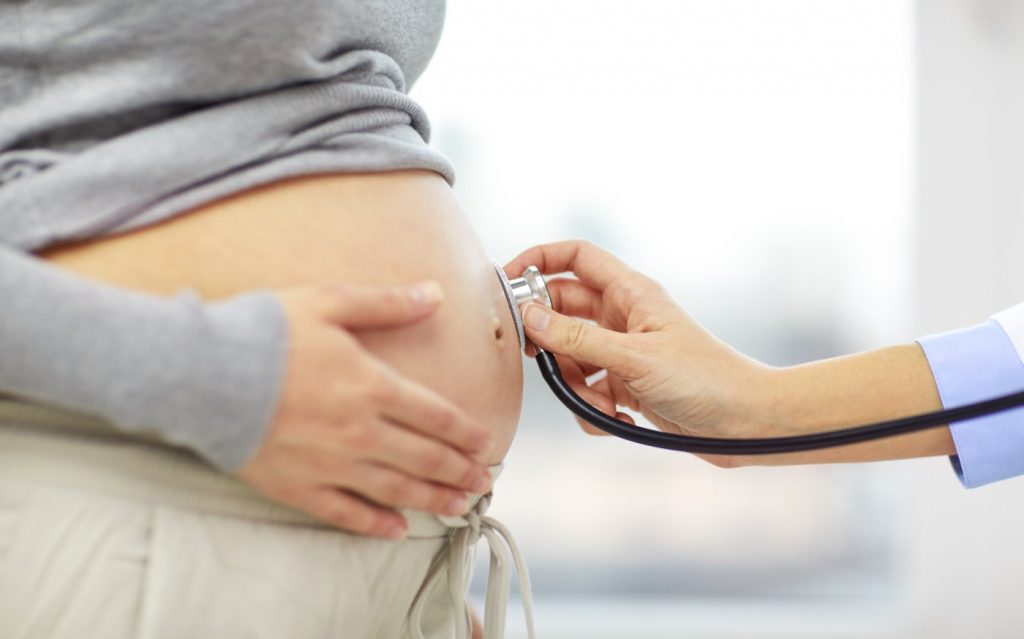
CTG Masterclasses are aimed at moving away from interpretation of the CTGs based on Guidelines based on “Pattern-Recognition” to deeper understanding of fetal physiology. Delegates are taught to differentiate features of fetal compensation from decompensation.

OBSTETRIC EMERGENCIES
These include Masterclasses on Massive Obstetric Haemorrhage, Hand-on Operative Vaginal Births, Placenta Acreta spectrum, Shoulder Dystocia, Breech and Twin Labour.

RISK MANAGEMENT , CLINICALGOVERANCE AND LEADERSHIP
These include Masterclasses on Leadership, Risk Management and Patient Safety and Clinical Governance